Sleep Comfort & Bed Mobility
Back in Bed and Turning Feels Hard: A Two-Step Roll That Doesn’t Fully Wake You
Right after you lie back down after a bathroom trip, turning can suddenly feel harder—especially when microfiber sheets grip, a duvet twists, and loose pajamas bunch. This home-only, half-asleep approach uses a quiet.
Updated 08/02/2026
Comfort-only notice
This content focuses on comfort, everyday movement, and sleep quality at home. It is not medical advice, does not diagnose or treat conditions, and Snoozle is not a medical device.
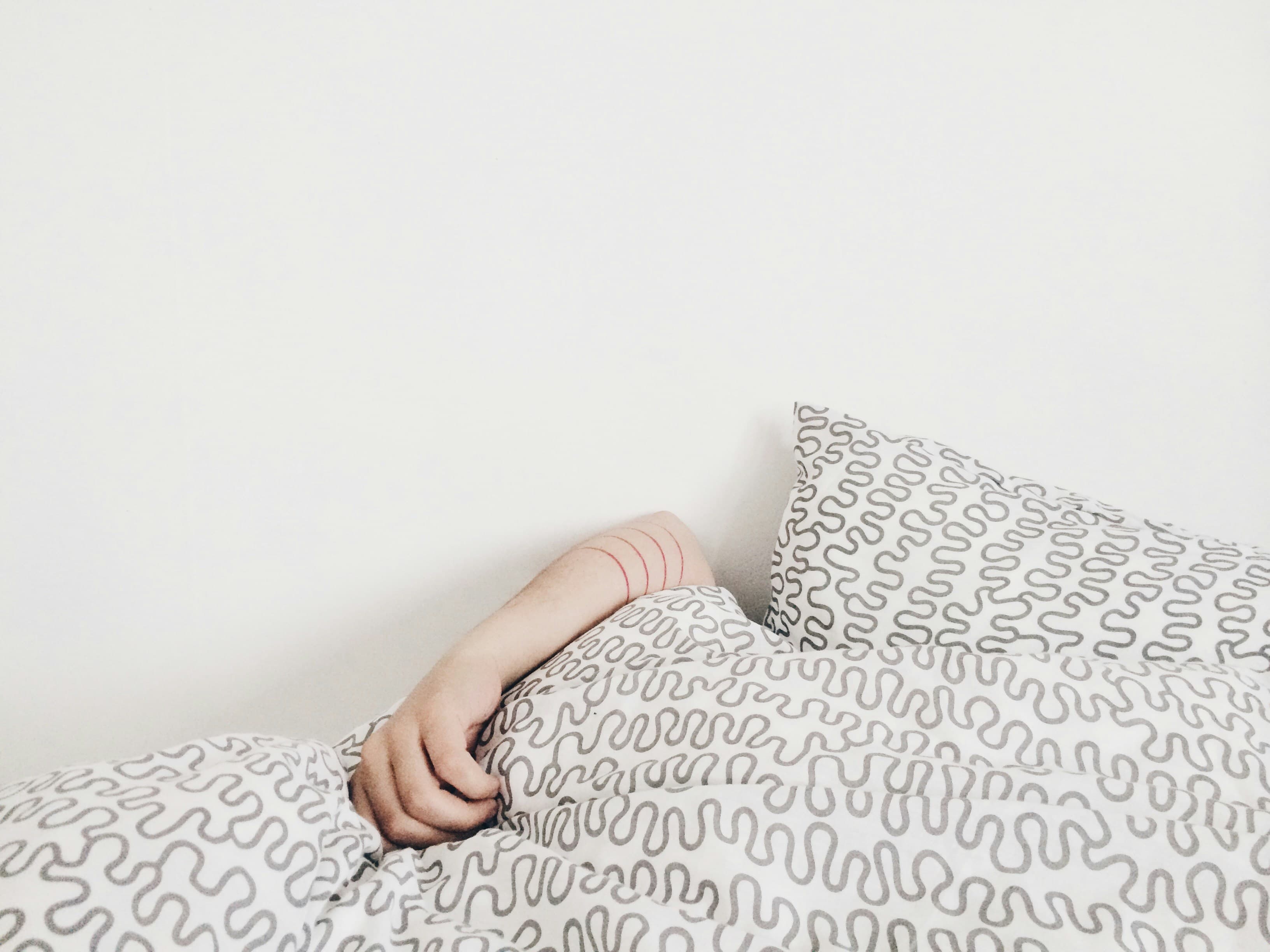
Quick answer
After a bathroom trip, turning often feels hardest right after you get back into bed because the bedding grabs your clothing and the duvet twists as you roll. Use a two-step: first make a small “un-stuck” shift to free fabric (hips and shoulders separately), then complete the turn with the duvet smoothed and your pajamas unbunched.
Make turning in bed smoother and safer
If bed mobility is physically demanding, a low-friction slide sheet can reduce strain on joints and help you move with more control. Snoozle is designed for people who still move independently, but need less resistance from the mattress.
- Move with less friction when turning
- Reduce shearing and skin stress
- Stay closer to the middle of the bed
Short answer
Right as you’re drifting off again—right after you lie back down—your sheets and duvet can grab, pull, and stall your turn. Microfiber sheets tend to cling, a duvet can twist around you like a loose spiral, and roomy pajamas can bunch under your hip. A quiet two-step turn helps: step one is a tiny reset that frees fabric; step two is the actual roll, done once things aren’t snagged.
Minimal method
Keep it small. The goal isn’t a big reposition—it’s staying more asleep while you change sides.
Step one: de-grab. Exhale and make a short shift that’s less of a roll and more of a slide: nudge your hips 2–3 cm toward the side you’re turning to, then let them settle. Do the same with your shoulders. This separates your clothing from the sheet just enough that it stops catching.
Step two: finish the roll. With your top knee slightly bent, let it lead the turn. Your pelvis follows, then your shoulders. As you go, lightly guide the duvet with your top hand so it moves with you instead of twisting around your waist.
If you feel the bedding grab again mid-turn, pause and repeat only step one (a tiny hip-and-shoulder reset), then complete step two. No wrestling, no full wake-up.
Do this tonight
Before you lie back down after a bathroom trip, pull the duvet up and give it one quick lengthwise shake so it lies flat instead of spiraling. Nothing dramatic—just enough to untwist.
When you first land on the mattress, take one second to smooth the fabric under your hip with the back of your hand. You’re not making the bed; you’re removing the one wrinkle that likes to snag.
Check your pajamas at the waist and thigh. If they’re loose, tug the waistband a finger-width so the fabric isn’t folded under you. That fold is what bunches and drags when you try to turn.
Do the two-step. Tiny hip shift, tiny shoulder shift (de-grab), then knee-led roll while your hand guides the duvet so it comes along instead of twisting.
End with a “settle press.” Once on your side, press your top palm lightly into the mattress for one slow breath, then let your shoulder soften down. It cues your body to stop adjusting.
Common traps
Trying to roll all at once. When microfiber is gripping, a single big roll turns into a tug-of-war. The two-step prevents that stuck feeling.
Letting the duvet do its own thing. If you roll without guiding it, it can twist and tighten, and then your shoulders feel pinned. A light hand on top keeps it moving with you.
Pajamas folded under your hip. Loose fabric can bunch into a thick ridge. That ridge catches on the sheet and makes the first part of the turn feel impossible.
Over-correcting the moment you lie back down. Right as you’re drifting off again, a big reposition can flip the “awake” switch. Keep the reset tiny and specific: free, then roll.
Setup checklist
These are small changes that reduce grabbing and twisting without turning bedtime into a project.
Microfiber sheet reality check: if it clings, make it smoother. Pull the top sheet and fitted sheet taut at the corners you can reach so there’s less loose fabric to catch.
Duvet alignment: center it before you sleep so one side isn’t longer. An uneven duvet is more likely to twist as you roll.
Pajama choice for tonight: if you’re wearing very loose bottoms, consider tucking the hem under your thigh for a moment as you settle, then release. You’re preventing that first bunch-up.
Pillow clearance: keep the edge of your pillow slightly away from your shoulder so it doesn’t block the shoulder part of the roll.
Bedside re-entry: after a bathroom trip, sit, then lower onto your side first, and only then roll onto your back if that’s your starting spot. It reduces the initial snagging under the hips.
Where Snoozle fits
Snoozle can be used at home as a comfort tool to support controlled sideways movement (not lifting), giving you a steadier, quieter way to guide the two-step turn when sheets and a twisting duvet make you feel snagged right after you get back into bed.
Related comfort guides
Watch the guided walkthrough
Frequently asked questions
Why is turning harder right after I get back into bed?
That first minute back—after a bathroom trip—often has the most fabric friction: sheets are freshly pressed under you, pajamas can be folded under the hip, and the duvet may not be settled yet. All of that makes the bedding grab and pull when you try to roll.
What does “two-step” mean here?
It means you separate freeing the fabric from the actual turn. Step one is a tiny hip-and-shoulder reset to unstick clothing from the sheet. Step two is the knee-led roll once nothing is snagging.
Microfiber sheets feel grabby—what can I do without changing my bedding tonight?
Smooth the one area that matters most: under the hips and lower back. A quick hand sweep to flatten wrinkles, plus a small de-grab shift before rolling, usually reduces that clingy stall.
My duvet twists when I roll. How do I stop that in the moment?
Keep one hand lightly on top of the duvet as you turn and guide it in the same direction you’re moving. You’re not pulling it tight—just preventing it from wrapping and tightening around your middle.
Loose pajamas bunch up under me. Any quick fix?
Before you turn, tug the waistband or thigh fabric a finger-width so it isn’t folded under your hip. If you feel a ridge under you, smooth it once with your hand before you do the roll.
What if I start the roll and get stuck halfway?
Pause and do only the first step again: a tiny hip shift, then a tiny shoulder shift to release the grab. Once it feels free, finish the roll rather than forcing through the snag.
Related guides
Sleep Comfort & Bed Mobility
Turning in Bed Keeps Waking You Up? Stop the Grab-and-Pull Roll
When linen sheets and bunched bedding create friction, turning can turn into a loud, sticky struggle. Use quick de-grab resets and a smoother sideways (lateral) roll to stay more asleep.
Sleep comfort & bed mobility
Turning Back Over After a Bathroom Trip: Beat the Bedding Grab at 2–4am
If turning feels weirdly harder right after you climb back into bed, it’s often friction: grippy protector, a blanket ridge under your hips, or a T‑shirt catching at your shoulder. Use a quiet two-step turn that.
Sleep comfort & bed mobility
Stuck Halfway Through a Turn? Reset Momentum and Finish the Roll (Quietly): the quiet reset
When you wake briefly and try to resettle, friction and a twisty setup can leave you stuck halfway through a turn. This guide helps you reset, reduce snag points (grippy protector, bunched sheet, twisted sleeves), and.
Sleep Comfort & Bed Mobility
Turning Over After You Get Back Into Bed: the 2–4am Two-Step That Reduces Sheet Drag
If turning feels hardest right after you lie back down (often after a bathroom trip), it’s usually sheet-and-clothing drag. Use a simple two-step: de-grab, then roll—so you stay more asleep at 2–4am.